

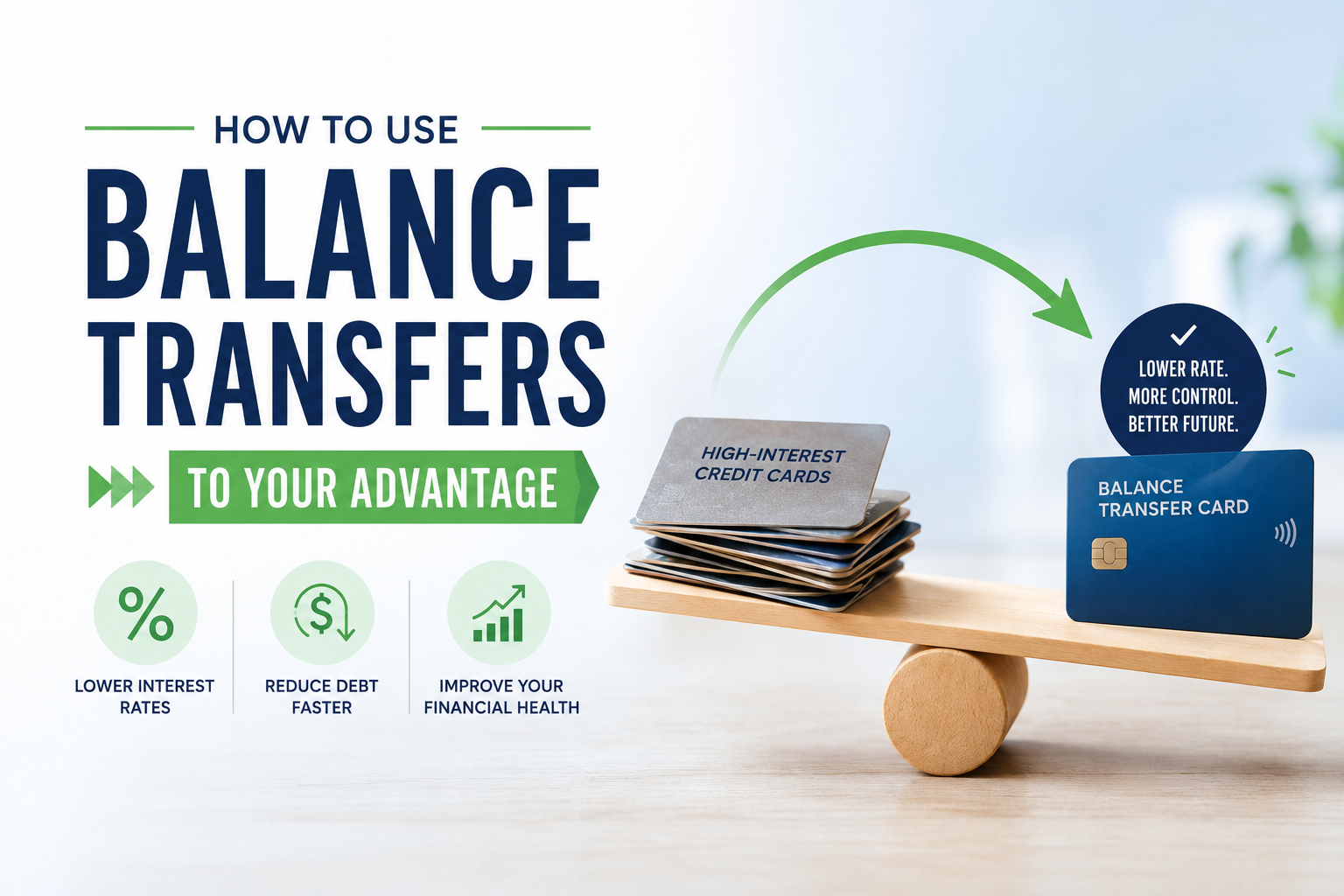
Managing debt can be overwhelming, especially when high-interest rates seem to keep balances perpetually high. For many, the solution lies in strategic financial tools and one of the best among them is the balance transfer. Whether you’re looking to save on interest, pay down debt faster, or reorganize your personal finances, using balance transfers wisely can make a significant positive impact. At JDP Credit Solutions, our mission is to empower you with practical financial strategies for building a strong financial future. In this guide, we explore how you can use balance transfers to your advantage.
What is a Balance Transfer?
A balance transfer involves moving high-interest debt (often from a credit card) to another credit card, usually one with a lower interest rate or promotional 0% APR offer. This process can help you save money on interest and streamline repayments but only when used correctly.
How Do Balance Transfers Work?
- Apply for a New Card: Find a credit card with an attractive balance transfer offer, such as 0% introductory APR for a set period (often 12–18 months).
- Transfer Your Balance: Move your existing balance from one or multiple credit cards to the new card.
- Pay Off Debt: Make payments during the low- or no-interest window, ideally paying off the balance before the introductory rate expires.
The Benefits of Using Balance Transfers
1. Save Money on Interest
Transferring your balance to a lower-interest card reduces the amount spent on interest each month, allowing more of your payment to go toward principal. For those with substantial credit card debt, this can add up to hundreds or thousands of dollars in interest savings.
2. Accelerate Debt Repayment
With less interest accruing, your payments make a bigger dent in the total amount owed, helping you pay off debt faster. This momentum is encouraging and may motivate you to stay consistent with repayments.
3. Simplify Finances
If you have debt across multiple cards, combining them into one account consolidates your payments. Fewer bills to keep track of means less stress and a lower risk of missing payments (which can further harm your credit score).
4. Improve Your Credit Score
Successfully paying down transferred balances can have a positive effect on your credit utilization ratio an important factor in your credit score calculation. Just be mindful not to accumulate new debt on older cards once they’ve been paid off.
How to Use Balance Transfers to Your Advantage
Step 1: Assess Your Debt Situation
Begin by reviewing all your outstanding credit card balances, interest rates, and payment due dates. This will help you determine where a balance transfer would have the most impact.
Step 2: Research and Compare Offers
Look for cards offering:
- 0% or very low introductory APR on balance transfers
- Low balance transfer fees (typically 3–5% of the amount transferred)
- Sufficient credit limit for the amount you want to transfer
Tip: Always read the fine print regarding how long the promotional rate lasts and what the interest rate will be after the intro period.
Step 3: Calculate the Cost
While the prospect of zero interest is enticing, balance transfers often come with fees. For example, transferring a $5,000 balance with a 3% fee will cost $150 upfront. Ensure the savings in interest outweigh these fees.
Step 4: Apply and Transfer
Once approved, request the balance transfer with your new credit card issuer. It’s crucial to continue making at least the minimum payment on your old card until you confirm that the transfer is complete.
Step 5: Commit to a Repayment Plan
Divide your transferred balance by the number of months in the 0% promo period to determine your monthly payment goal. Stick to this plan to ensure you pay off the balance before any higher APR kicks in.
For example, with an $8,000 balance on a card offering 0% APR for 18 months, aim to pay about $445 each month. If you pay only the minimum, interest charges could quickly accumulate once the intro period ends.
Common Pitfalls to Avoid
Even with the best intentions, balance transfer strategies can backfire if you’re not careful. Avoid these common mistakes:
- New Purchases on the Transfer Card: New charges may accrue interest immediately, even if your transferred balance is at 0%. Use the card only for repayment during the promo period.
- Missed Payments: Skipping payments or paying late can void the 0% offer, resulting in high penalty interest rates.
- Ignoring Fees: Always factor in the transfer fee sometimes, the cost outweighs the benefit.
- Not Addressing Root Causes: A balance transfer is a tool, not a cure. Evaluate what led to the debt in the first place, and take steps to change those habits.
Who Should Consider a Balance Transfer?
Balance transfers can be a smart move if you:
- Have good to excellent credit (needed to qualify for the best offers)
- Can realistically pay off your transferred balance during the promotional period
- Want to streamline multiple debts into a single payment
- Are committed to avoiding new debt during repayment
If you’re unsure whether a balance transfer is right for you, the team at JDP Credit Solutions can help you assess your options and create a personalized plan.
When Not to Use a Balance Transfer
Balance transfers aren’t always the answer. Avoid them if:
- Your credit score is low, making it hard to qualify for good offers
- You’re unable to pay off the transferred balance before the intro period ends
- The fees outweigh possible interest savings
- You’re using transfers to delay addressing underlying overspending behaviors
How JDP Credit Solutions Can Help
At JDP Credit Solutions, we understand that managing debt is often more complex than just shifting balances. Our comprehensive financial education tools and credit repair services help you address not only your immediate needs but your long-term financial health as well.
Services we offer:
- Credit repair and coaching
- Personal and business funding solutions
- Customized financial education and debt management plans
If you’re ready to take control of your credit and want guidance using balance transfers or other financial strategies, get in touch with us today.
Conclusion
Balance transfers can be a powerful tool for paying down debt and saving on interest, but they require careful planning and discipline. By understanding how to strategically use balance transfers and by seeking expert guidance when needed you’ll be better equipped to reach your financial goals and build the strong financial future you deserve.
Contact JDP Credit Solutions today to learn more about how we can help you manage debt, repair your credit, and achieve lasting financial wellness.