

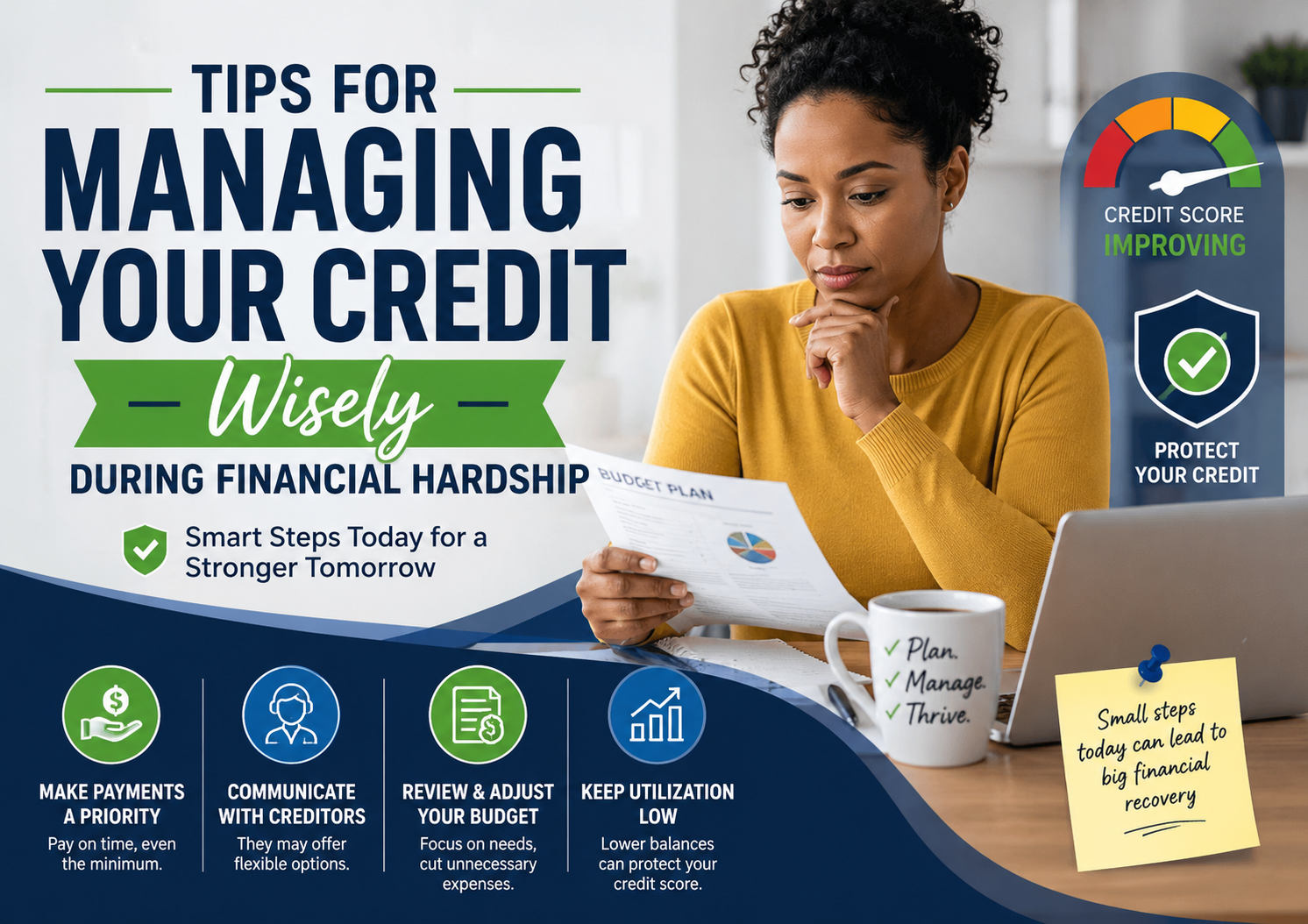
Financial hardships can happen to anyone. Whether it’s an unexpected job loss, medical bills, or a global economic downturn, managing credit wisely becomes more crucial than ever during tough times. At JDP Credit Solutions, we understand the challenges individuals and small business owners face when financial resilience is tested. Our goal is to empower you with actionable strategies to safeguard and improve your credit, even during periods of financial strain.
Why Credit Health Matters in Hard Times
Your credit score is more than just a number it’s a gateway to financial opportunities. During financial hardship, a healthy credit profile can help you access lower interest rates, qualify for relief programs, and keep future borrowing costs down. Conversely, poor credit can amplify existing struggles by limiting your options.
1. Understand Your Current Credit Position
Check Your Credit Reports Frequently
Many people don’t realize errors or fraudulent activity can go undetected on their credit reports. You’re entitled to a free credit report from each of the major bureaus (Equifax, Experian, and TransUnion) every 12 months at AnnualCreditReport.com. During economic hardships, it’s wise to check your reports more often, as some bureaus offer free weekly access.
Review for Accuracy
Look for:
- Incorrect account information
- Duplicate debts
- Unauthorized inquiries
- Outdated personal details
Report any errors immediately to avoid negative impacts on your score.
2. Prioritize Essential Expenses and Debt Payments
When cash flow is tight, creating a budget is imperative. Rank your obligations by importance:
- Basic necessities: Rent/mortgage, utilities, food
- Secured debts: Loans backed by collateral (e.g., auto or home loans)
- Unsecured debts: Credit cards, personal loans
Contact Your Creditors Early
If you anticipate missing payments, reach out to your lenders before you default. Many creditors can offer hardships programs, like payment deferments, temporarily reduced interest rates, or waived fees.
3. Maintain Minimum Payments Whenever Possible
Even if you can’t pay in full, strive to make at least the minimum payments on your credit accounts. Missing payments can significantly harm your credit score and may result in late fees or increased interest rates.
- Tip: Setting up automatic payments ensures you never miss due dates.
4. Avoid Maxing Out Credit Cards
It’s tempting to rely on credit cards during hardship, but high balances can hurt your credit utilization ratio (the amount of credit you use relative to your limit). Experts recommend keeping credit utilization below 30% on each card.
If you must use your credit card for essentials, try to spread purchases across multiple cards and pay them down as soon as you can.
5. Explore Credit Relief and Assistance Programs
Many institutions offer support during tough times. This may include:
- Payment plans
- Forbearance or grace periods
- Fee waivers
- Interest rate reductions
Local and federal programs (like stimulus packages) may offer temporary relief or additional funding. For tailored advice, JDP Credit Solutions assists clients in Miami and beyond to identify resources for both individuals and small businesses.
6. Consider Professional Help
If managing debt feels overwhelming, seek guidance from credit experts. Professional services, like those at JDP Credit Solutions, can help with:
- Credit repair (removing inaccuracies or outdated information)
- Negotiating with creditors
- Building a personalized recovery plan
- Navigating funding options for personal and business needs
7. Protect Your Credit from Fraud and Identity Theft
Financial distress can increase vulnerability to scams. Take steps to minimize your risk:
- Monitor accounts for suspicious activity
- Freeze your credit if you suspect fraud
- Use strong, unique passwords for financial websites
- Beware of unsolicited emails or calls requesting sensitive data
8. Educate Yourself and Stay Informed
Empower yourself with financial education. Many non-profits and credit organizations offer free webinars and resources. At JDP Credit Solutions, we provide our clients with financial education tools to help you take control of your credit future.
9. Develop a Post-Hardship Plan
Once your hardship passes, take proactive steps to rebuild your credit:
- Pay down balances aggressively
- Avoid closing old accounts (which can shorten your credit history)
- Make all payments on time
- Consider using a secured credit card to re-establish positive payment history
Conclusion
Managing your credit during financial hardship is challenging but not impossible. By understanding your credit, communicating with lenders, seeking professional assistance, and making informed decisions, you can protect your financial health and lay the groundwork for a strong recovery.
At JDP Credit Solutions, our mission is to provide the tools and guidance to help you overcome obstacles and achieve your financial goals. Remember: difficult times are temporary, but the actions you take now can shape your financial future for years to come.
Ready to take control of your credit? Contact JDP Credit Solutions for personalized support and resources.