

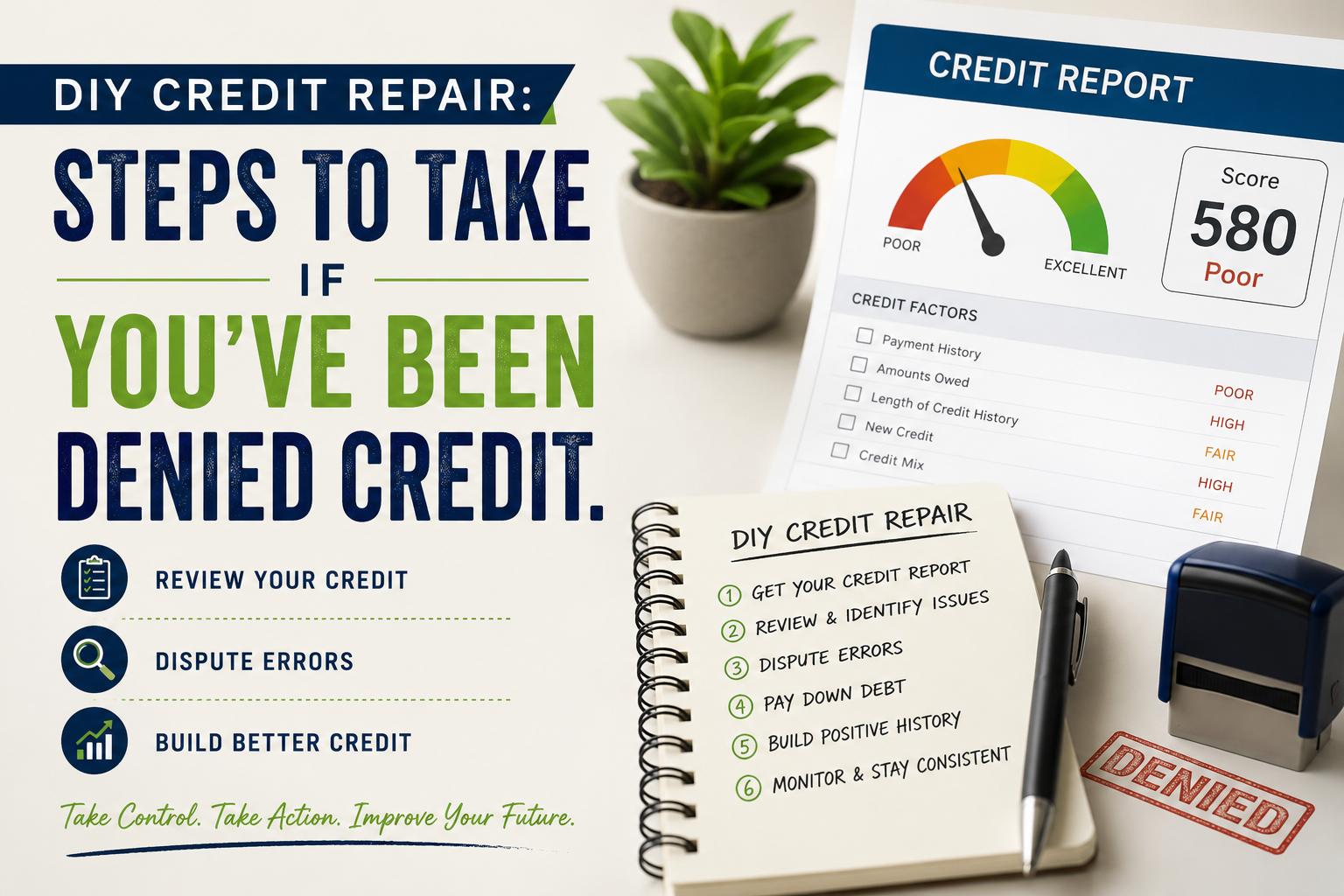
Credit denials are discouraging, but they don’t have to define your financial journey. At JDP Credit Solutions, we believe in empowering individuals and small business owners with practical tools and essential knowledge for effective credit repair and healthy financial futures. If you’ve recently been denied credit, you have the power to take effective DIY steps to repair your credit and improve your chances of approval next time.
Why Was Your Credit Application Denied?
Creditors are required by law to inform you why your application was denied. Common reasons include low credit scores, high debt-to-income ratios, missed payments, or errors on your credit report. Understanding these reasons is your first actionable step.
Your Adverse Action Notice
When you’re denied credit, you should receive an Adverse Action Notice. This letter will outline:
- The specific reason(s) for the denial
- The credit bureau used in their decision
- Contact information for that credit reporting agency
Keep this notice for your records. It’s your blueprint for what needs work.
Step 1: Obtain and Review Your Credit Reports
After a denial, you’re entitled to a free credit report from the bureau used. Go to AnnualCreditReport.com to request a copy from each of the three major bureaus: Equifax, Experian, and TransUnion. Reviewing all three ensures you catch errors or negative marks that can vary across reports.
What to Look For
- Incorrect Personal Information: Check for outdated addresses, wrong names, or unknown accounts.
- Late Payments: Note any listed late payments verify their accuracy.
- Collections and Charge-offs: These severely impact your score; verify each for legitimacy.
- Hard Inquiries: Too many in a short timeframe can drop your score.
Mistakes are more common than you might think. According to a 2021 Consumer Reports study, more than one-third of consumers found mistakes in their credit reports.
Step 2: Dispute Errors
If you identify any inaccuracies:
- Document Everything: Highlight and gather supporting documents (statements, correspondence, etc.).
- File a Dispute: Each credit bureau has an online dispute process. For best results, send a certified letter outlining the error and include relevant documentation.
- Follow Up: Bureaus have 30 days to investigate and respond. Track your dispute progress and keep copies of all communication.
Removing errors can quickly boost your credit score and improve future lending decisions.
Step 3: Address Negative, Accurate Items
If all items on your report are accurate, improving your credit is a process there’s no overnight solution. Here are actionable ways to take control:
Pay on Time, Every Time
Payment history is the largest factor in your credit score (35%). Set up reminders or automatic payments to ensure you never miss a due date
Reduce Credit Card Balances
Credit utilization (how much you use relative to your limits) should ideally be below 30%. Pay down high balances, starting with those closest to their limit. Consider consolidating with a personal loan if applicable.
Don’t Close Old Accounts
A longer credit history improves your score. Avoid closing old accounts unless they carry high fees.
Keep Applications Minimal
Each credit application triggers a hard inquiry, causing small, temporary drops in your score. Only apply for new credit when necessary.
Step 4: Rebuild and Establish Positive Credit
After resolving errors and addressing negatives, gradually rebuild credit:
Secured Credit Cards
These cards require a deposit, making them easier to obtain. Use them responsibly and pay in full monthly to build a positive history.
Credit Builder Loans
These small installment loans are designed specifically to help you build credit. Payments are reported to the major bureaus.
Become an Authorized User
Join a family member’s credit card account. If the account is in good standing, their positive history can help boost your profile.
Step 5: Monitor Your Progress
Consider enrolling in free or paid credit monitoring tools. These alert you to new activity, changes, or potential fraud helpful for keeping your DIY repair on track.
Additional DIY Credit Repair Tips
- Negotiate with Creditors: Sometimes, late payments or collections can be removed with a goodwill letter or through negotiation. Ask creditors to update or remove negative items in exchange for full payment.
- Avoid Credit Repair Scams: Be wary of companies promising instant improvements. Genuine progress takes diligence and time.
- Educate Yourself: The more you know about credit scoring models, the more effective your actions will be. JDP Credit Solutions offers reliable resources and financial education tools on our website.
When To Seek Professional Help
DIY is a great start, but certain situations like persistent denial despite clean-up, identity theft, or complex disputes may benefit from expert assistance. JDP Credit Solutions specializes in credit repair, funding solutions, and tailored education to support your financial journey.
Take the First Step Today
Being denied credit isn’t the end—it’s a signal it’s time to act. By reviewing your credit, disputing errors, practicing responsible credit habits, and seeking help when needed, you’ll be well on your way to better credit and new financial opportunities.
Ready for more guidance or need a hand in your DIY journey? Contact JDP Credit Solutions, for a free consultation. Your financial future starts with the steps you take today.
Disclaimer: This blog post is for educational purposes and should not be considered financial or legal advice. Consult with a trusted adviser for your unique circumstances.