

Understanding your credit score is the first step on the journey to financial empowerment. At JDP Credit Solutions, we believe that knowledge is the cornerstone of financial success. Whether you are an individual looking to secure a mortgage or a small business owner seeking funding, your credit score plays a pivotal role in gaining access to financial opportunities.
In this comprehensive guide, we’ll break down what a credit score is, how it’s calculated, why it matters, and practical steps you can take to improve it.
What is a Credit Score?
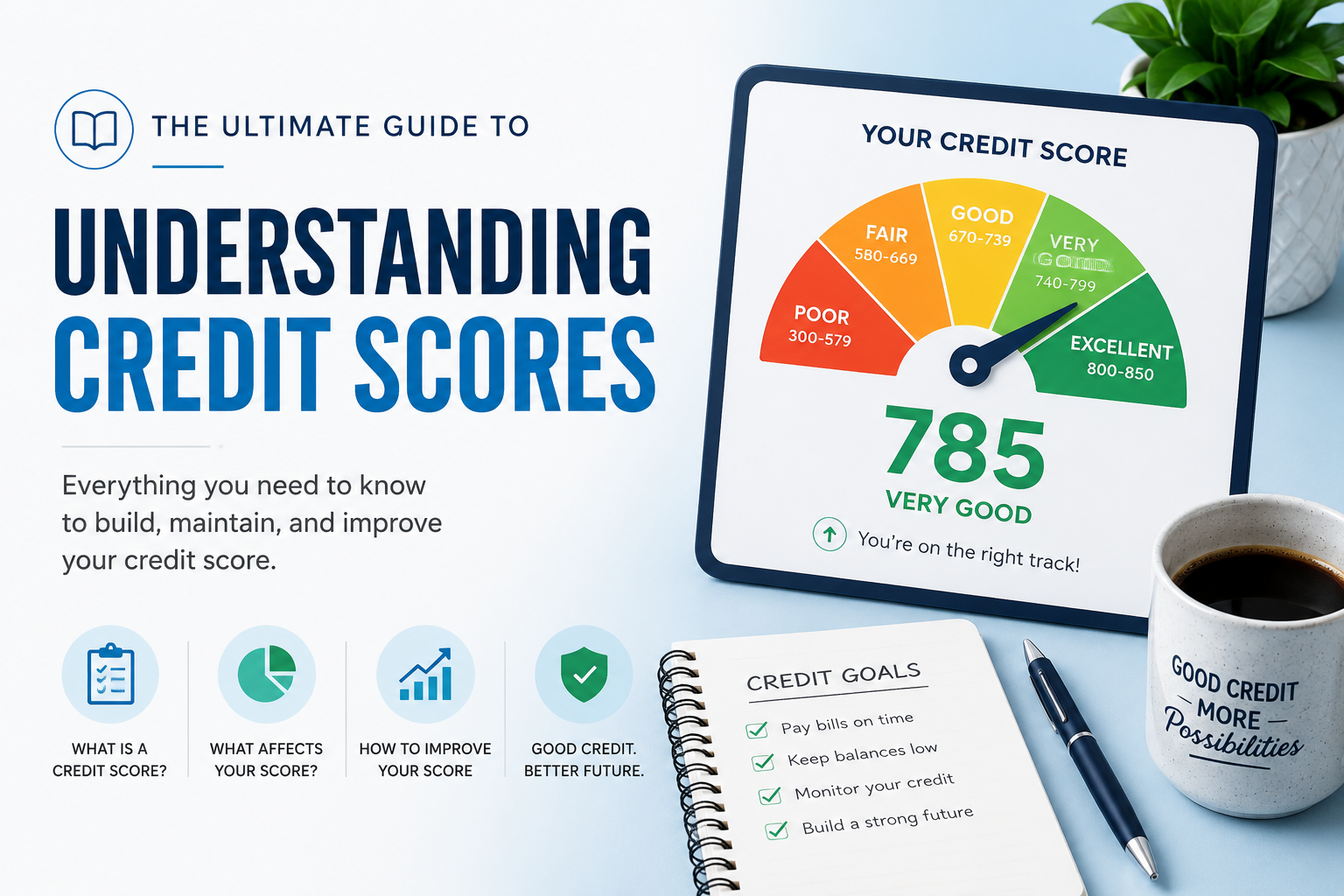
A credit score is a three-digit number ranging from 300 to 850 that reflects your creditworthiness. In simple terms, it’s a numerical representation of how likely you are to repay borrowed money. Lenders, landlords, insurers, and even some employers use your credit score to decide whether to do business with you and on what terms.
The most common scoring models in the U.S. are FICO and VantageScore, both of which use similar criteria to determine your score.
The Credit Score Range
- Excellent (800-850): Exceptional credit management
- Very Good (740-799): Above-average borrower
- Good (670-739): Average, most lenders consider you a safe bet
- Fair (580-669): Below average, credit issues present
- Poor (300-579): High risk, may have difficulty getting approved
Why is a Credit Score Important?
Your credit score affects multiple facets of your life:
- Loan approval: Higher scores improve your chances of being approved for loans, credit cards, and mortgages.
- Interest rates: A better score often means lower interest rates, saving you money.
- Rental applications: Landlords use credit scores to assess risk.
- Insurance premiums: Some insurers use credit scores in determining premiums.
- Employment opportunities: Certain employers check credit as part of the hiring process.
Having a strong credit score opens doors, lowers costs, and provides peace of mind.
What Factors Impact Your Credit Score?
Understanding how your score is calculated helps you take the right actions to improve it. The major factors include:
- Payment History (35%)
- The most important factor.
- Lenders want to see on-time payments for all loans and credit cards.
- Amounts Owed (30%)
- This relates to your credit utilization ratio: the amount you owe compared to your total available credit.
- Keeping utilization below 30% is ideal.
- Length of Credit History (15%)
- How long your accounts have been open.
- Older accounts help your score.
- Types of Credit (10%)
- A healthy mix of credit cards, retail accounts, installment loans, and mortgages.
- Recent Credit Inquiries (10%)
- Each application for new credit can cause a small, temporary dip in your score.
How to Check Your Credit Score
You are entitled to a free credit report every 12 months from each of the three major credit bureaus (Equifax, Experian, and TransUnion) through AnnualCreditReport.com. Many banks and credit card issuers also provide credit scores for free as part of their services.
Tip from JDP Credit Solutions: Regularly monitoring your credit report lets you spot errors or signs of identity theft early.
Common Credit Myths Debunked
- Checking your own score hurts your credit: Checking your own score is a soft inquiry and does not affect your score.
- You need to carry a balance: Paying off your balance in full is better for your score and your wallet.
- Closing old accounts boosts your score: Often, it can lower your score by shortening your credit history and affecting your utilization ratio.
Practical Steps to Improve Your Credit Score
Wondering how to start your journey toward a better credit score? Follow these guidelines:
- Pay Bills On Time
- Set reminders or automate payments for all credit accounts.
- Reduce Outstanding Balances
- Aim to keep credit card balances well below your limits.
- Avoid Opening Too Many New Accounts
- Each application causes a hard inquiry; too many can lower your score.
- Don’t Close Old Accounts Abruptly
- Keep your oldest credit lines open to lengthen your credit history.
- Check Your Reports for Errors
- Dispute any inaccuracies with credit bureaus immediately.
- Diversify Your Credit
- If possible, have a mix of revolving (credit cards) and installment (loans) credit.
How JDP Credit Solutions Can Help
At JDP Credit Solutions, we understand that a strong credit score is the gateway to achieving your financial dreams.
- Credit Repair: We help identify and dispute errors or outdated information, working with credit bureaus on your behalf.
- Funding Assistance: Let us guide you to the best personal and business funding options suited to your needs.
- Financial Education: Our workshops and one-on-one coaching empower you with lifelong financial skills.
- Personalized Strategies: Every financial story is unique. We craft action plans specific to your goals.
We serve individuals and small business owners across Miami and beyond who are ready to take control of their financial future.
Frequently Asked Questions
How long does it take to rebuild a credit score?
Results vary based on your starting point and the steps you take. Minor improvements may be seen in a few months; serious credit repair can take up to a year or two.
Does paying off all my debt immediately boost my score?
Paying down revolving balances significantly helps, but closed accounts or paying off installment loans might not always provide a quick boost.
Can I get a loan with bad credit?
Yes, but you’ll likely face higher interest rates and stricter approval criteria. JDP Credit Solutions can help identify subprime options and strategies to improve your future eligibility.
Take Your First Step Today
Understanding your credit score puts you in the driver’s seat. By monitoring your credit, practicing good financial habits, and seeking help when needed, you can build a solid financial foundation for years to come.
At JDP Credit Solutions, our mission is to empower you with the knowledge and resources to achieve your financial goals. Ready to start your credit journey? Visit jdpcreditsolutions.com and connect with our team for a consultation today.
Empower your financial future—one step at a time.