

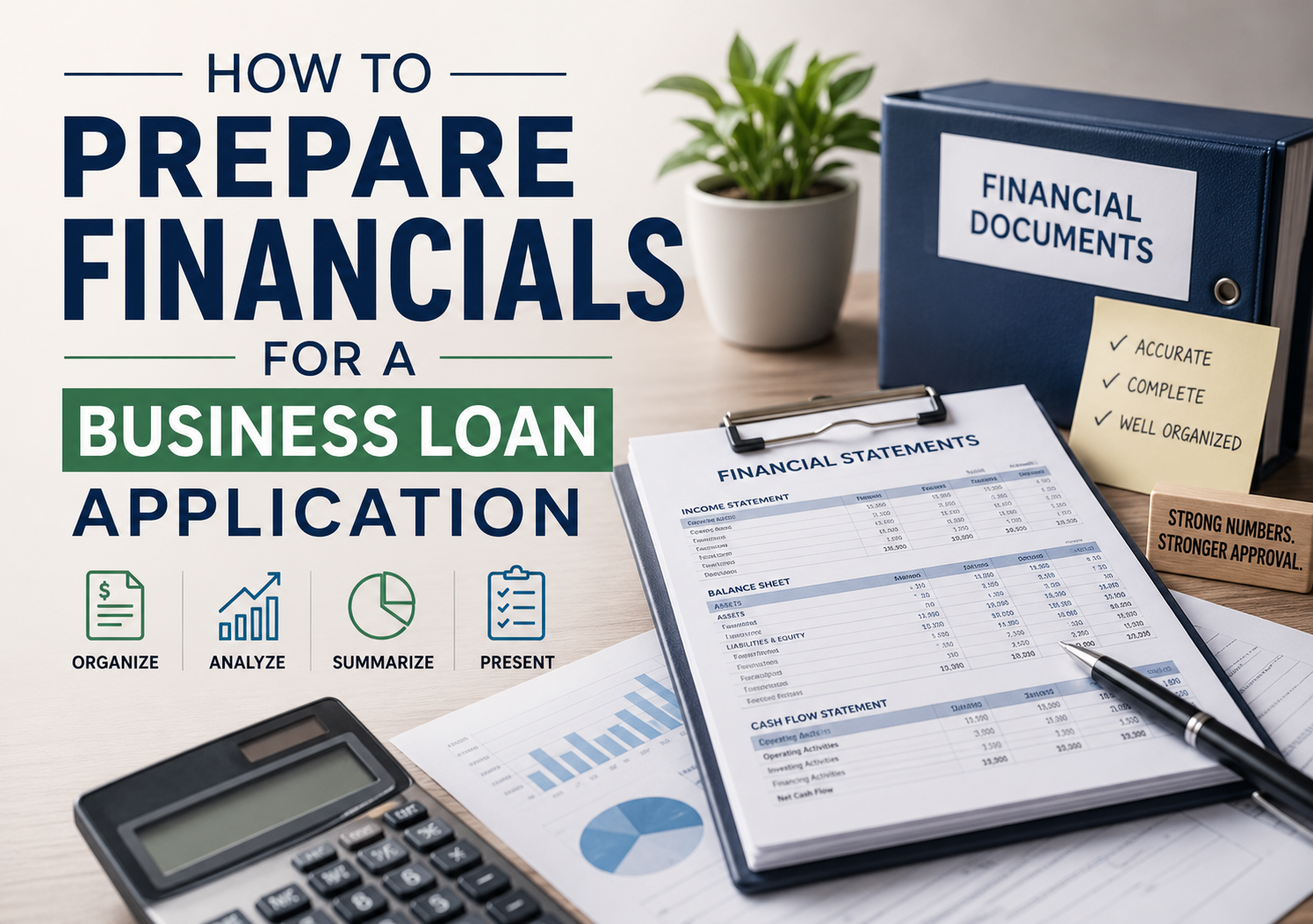
Securing a business loan can be a pivotal step for growth, expansion, or stabilization for many entrepreneurs and small business owners. At Jdp Credit Solutions, we understand that the key to a successful loan application is not just about having a great business plan it’s about presenting accurate, organized, and compelling financial information. This guide is designed to walk you through the crucial process of preparing your financials so your application stands out and increases your chances of approval.
Why Lenders Demand Detailed Financials
Lenders want to minimize risk. They rely on your business’s financial documents to assess your ability to repay the loan. Clear, well-prepared financials not only demonstrate your business’s financial health but also your professionalism and readiness for growth. Whether you’re applying with a local bank, a national lender, or an SBA-backed institution, solid financials are non-negotiable.
Step 1: Gather the Essential Financial Documents
Every lender may have slightly different requirements, but most will request the following core documents:
1.1. Business Financial Statements
- Profit and Loss Statement (P&L): Also known as the income statement, this report shows your revenues, costs, and profits over time. Typically, lenders will want to see the last 2-3 years, along with year-to-date figures.
- Balance Sheet: This details your company’s assets, liabilities, and equity. It provides a snapshot of your company’s financial position at a specific point in time.
- Cash Flow Statement: This tracks the flow of cash in and out of your business, helping lenders understand how you manage liquidity and cover expenses.
1.2. Tax Returns
Most lenders want to see your business’s (and sometimes your personal) tax returns for the previous 2-3 years. This provides a third-party view of your financial results and helps verify your statements.
1.3. Bank Statements
Recent business bank statements (typically last 6-12 months) show your actual cash flow and can help support the numbers in your financial statements.
1.4. Accounts Receivable and Payable Aging Reports
These detail unpaid customer invoices and outstanding bills. They help lenders assess your working capital and risk exposure with clients and vendors.
Step 2: Organize and Reconcile Your Financials
2.1. Ensure Accuracy
- Double-check calculations in all statements.
- Verify that all numbers match from one document to another—your tax return net income should align with your P&L for the same period.
2.2. Reconcile Accounts
Make sure your bank statements align with your own records. Resolve any discrepancies before applying these can be red flags for lenders.
2.3. Use Professional Software
Utilizing accounting software (like QuickBooks, Xero, or similar platforms) can help maintain financial order and provide exportable, lender-friendly reports.
Step 3: Prepare Financial Projections
Lenders want to see your vision for the future. Prepare realistic financial projections for at least the next 1-3 years, including:
- Projected income and expenses
- Expected cash flow
- Plans for using the loan funds (expansion, equipment, marketing, etc.)
Be ready to explain your assumptions what will drive growth, and how will the funds help achieve it?
Step 4: Add Personal and Business Credit Information
Your creditworthiness matters. Include your business and, if necessary, your personal credit report. At Jdp Credit Solutions, we help small business owners build stronger credit profiles to improve loan approval odds.
Step 5: Write a Strong Loan Request Letter
Your financials alone tell only part of the story. Accompany your application with a clear, concise loan request letter:
- Purpose of the loan (equipment, working capital, expansion)
- Requested amount and repayment terms
- Summary of how the money will be used
- Overview of current financial health and future outlook
FAQs: Common Mistakes to Avoid
- Underestimating expenses or over-projecting revenue: Be realistic and conservative with your numbers.
- Incomplete financial data: Submit all requested documents—missing paperwork creates delays and raises doubts.
- Mixing personal and business finances: Keep all records clearly separated for clarity and legal compliance.
- Failing to reconcile accounts: Inconsistencies could jeopardize your chances.
How Jdp Credit Solutions Can Help
Getting a business loan can feel overwhelming, but you don’t have to go it alone. At Jdp Credit Solutions, we support entrepreneurs and small business owners through:
- Credit repair and education
- Business funding guidance
- Professional review and preparation of your financial documents
Our mission is to empower you with the knowledge, resources, and tools to build a resilient financial future and to open the doors to the funding your business needs.
Conclusion: Confidence Through Preparation
Preparing sound, organized financials is the backbone of every successful business loan application. By gathering the right documents and ensuring their accuracy, you can give lenders the confidence they need to invest in your future. Turn to Jdp Credit Solutions for expert guidance and take your next step toward business growth today.
For more tips on funding, credit improvement, and financial education, visit Jdp Credit Solutions.